
Building Community Through HMDD’s “Happy Memories Don’t Die” Philosophy: A Closer Look
Rather than launching as just another tagline mill, the brand was born out of a simple line — happy memories don’t die — a line that eventually became the core motivation behind a apparel brand built on enduring meaning over fleeting fashion cycles. Within a market where most companies race after the next drop cycle, the brand decided to anchor itself to a core belief: that the good moments in a person’s life should be carried on the body, not just remembered. Such a commitment has molded every part of product design through to how the brand talks to its audience online.
The standout part of this approach in 2026 is how unwaveringly HMDD has held onto it. Apparel brands often dilute a original mission once expansion demands sets in, exchanging depth for output. Instead, HMDD clothing has doubled down, weaving the phrase across sweatpants, shorts, and outerwear as a consistent theme rather than a isolated promotional line. This consistency is precisely what turns a catchphrase into a shared marker — a signal wearers spot in one another before a single word is exchanged.
The Story Behind “Happy Memories Don’t Die”
Almost like a small promise, the line carries meaning. Memories can blur with time, images go missing, but a comfortable pair of sweatpants worn during a particular summer, or a hoodie kept from a college trip, carries a tangible memory in a way a phone photo cannot replicate. HMDD shaped its complete brand identity around this concept, and it is evident in product happymemoriesdontdie.org naming, packaging language, and social captions that repeatedly circle back to the same underlying feeling.
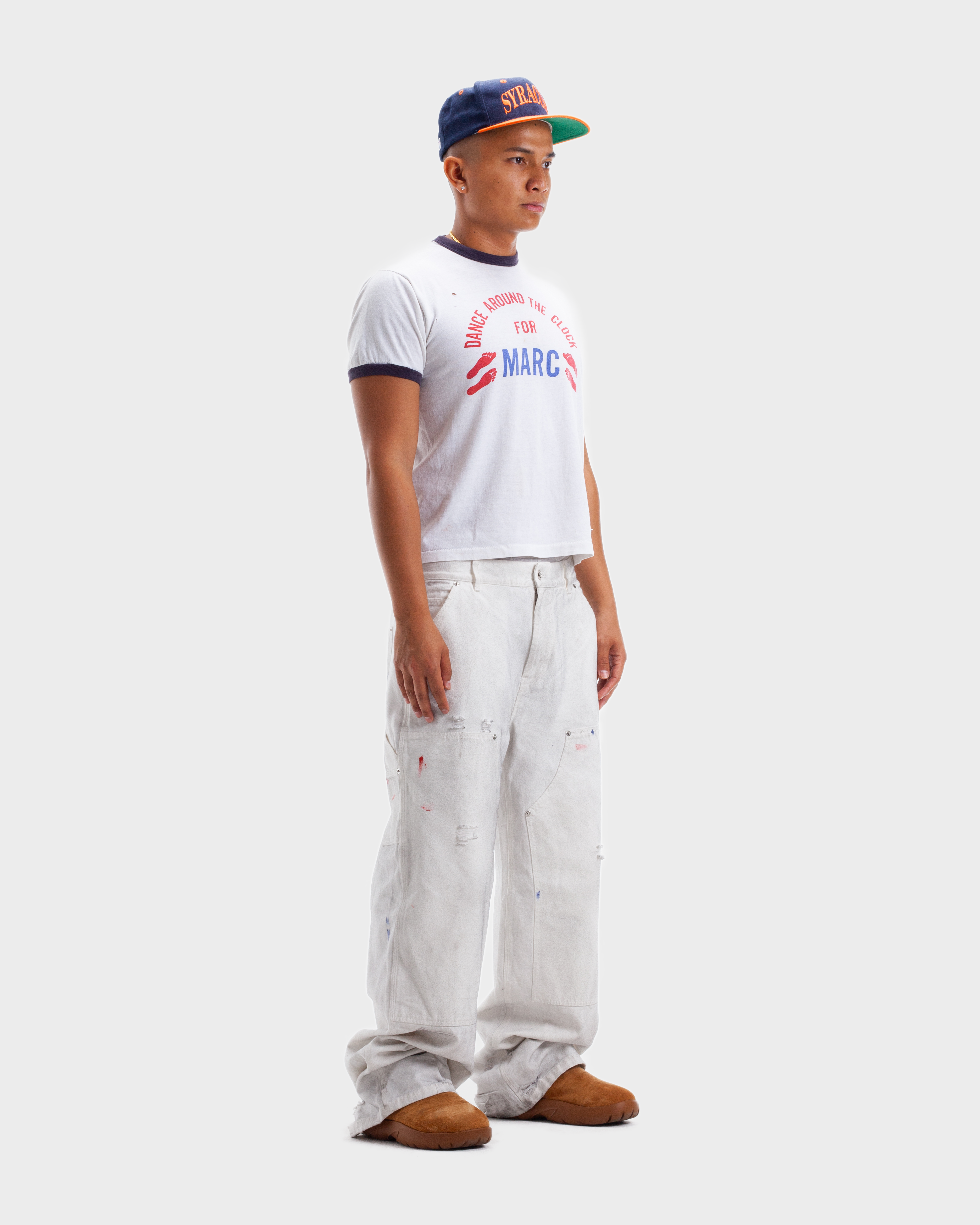
This isn’t some branding coincidence. Grief, nostalgia, and joy are three of the most frequently searched emotional themes in apparel marketing research over the last five years, and HMDD situated itself squarely within that intersection. Shoppers who search “happy memories dont die” or “happy memories don’t die” online are not just looking for a product — they are seeking language that matches something they already feel. The brand responds to that underlying need truthfully, which is part of why the brand has generated organic loyalty rather than depending solely on paid reach.
This creates something like a feedback loop. Buyers upload their own memories tagged with HMDD gear, fellow users notice those posts, and the phrase travels via real-life experience rather than ads by themselves. That is a harder thing to manufacture than a catchy tagline, and it is the real driving force behind HMDD’s community growth.
HMDDLA and the Local-to-Worldwide Identity
The HMDDLA identity roots the label in a defined place even as it lets its core message to reach a global audience. Streetwear labels have long used Los Angeles as their proving ground, and HMDDLA embraces that connection without losing the emotional core of the brand. Simultaneously, it points to both backstory and authenticity — a nuance that connects with buyers wanting assurance that a label has real origins, instead of just a website backed by a warehouse.
This local-global balance also shows up in the way HMDD shows up online. Instead of leaning on purely aspirational visuals, its content output frequently focuses on genuine customers, authentic settings, and true-to-life captions tied to specific memories. As a result, the distance separating label and shopper is reduced. A shopper does not need to live in Los Angeles to feel connected to HMDDLA; they need to recognize the emotional throughline the location represents.
Community-driven fashion brands that survive past their first few years tend to share this trait: they let customers co-author the meaning of the brand. HMDD’s use of HMDDLA as a geographic and emotional anchor gives fans a specific place to project their own stories onto, which strengthens retention far more than discount codes ever could.
Everyday Pieces as Message: Sweatpants, Shorts, and Everyday Wear
A label’s message only functions if the garment backs it up. HMDD sweatpants and HMDD shorts are marketed as go-to basics rather than once-in-a-while standout items, and this regular wear counts for something. Frequent wear means an item slowly fills up with memories — an idle Sunday, a trip on the road, a late night spent with friends. Instead of pulling core pieces after only one season, HMDD’s approach to product keeps them steadily circulating, embracing this very effect.
Shoppers comparing feel, cut, and lastingness before choosing which garment joins their go-to wardrobe—this is also where “best hmdd clothing” searches tend to lead them. In particular, sweatpants and shorts see far more wear than outerwear or occasion-specific pieces, making them the natural medium for a message about long-held memories. Each additional wear, the more memories, the more the phrase on the label comes across as genuine rather than decorative.
New-customer friction gets eased since HMDD built its lineup around these essentials instead of elaborate capsule drops.
It’s more likely that a person going through an HMDD review is considering shorts or sweatpants they’d use three times a week, rather than a limited jacket worn only three times a year.
Such ease of entry is woven into the community strategy, not disconnected from it.
What the Community Truly Feel: The Insight the HMDD Reviews Bring Forward
Customer reviews are the place where brand promises get put up against the lived experience of customers. Across a distinct chapter of the customer’s life, the way the garment felt on the body is commonly brought up in an HMDD review, and this seldom remains limited to stitching or fabric weight. Such a pattern is uncommon. Cut and fabric are the primary concern of typical fashion reviews; reviews of HMDD frequently blend product feedback with personal narrative, which is a direct sign the brand’s narrative has struck a chord outside the bounds of ad copy.
This carries weight for shoppers who are new weighing their options between HMDD and comparable streetwear-leaning brands. When reviews consistently mention emotional context in tandem with practical detail, it suggests that the “happy memories don’t die” concept isn’t merely a slogan stitched onto a tag — it is genuinely shaping how people talk about the product post-purchase. That kind of organic reinforcement is difficult for other labels to replicate quickly, since it depends on consistent messaging sustained over time, not just one marketing push.
As the years pass, shopper trust builds, since every candid review offers a small measure of credibility that upcoming customers can rely upon — and since HMDD allows personal accounts appear openly, rather than only selecting polished lifestyle shots, its review ecosystem has remained genuine heading into 2026.
Setting side by side HMDD’s own Method to Ordinary Street-style Label Identity
| Feature | A standard street-style brand | HMDD |
|---|---|---|
| Primary message | Riding fads and buzz | Sentimental staying power (“happy memories don’t die”) |
| Merchandise focus | Releases that stay limited with high churn | Reliable basics such as sweatpants and shorts that stay in constant use |
| Material featuring customers | Stylized lifestyle photos that feel curated | True shopper experiences anchored in distinct moments |
| Where the brand is based geographically | Often unclear or interchangeable | Anchored in HMDDLA — connecting a Los Angeles beginning to a global footprint |
| Approach to reviews | Primarily preoccupied with sizing and how fast orders ship | Weaves together useful input and personal storytelling |
Sizing, delivery, and core quality are still vital to the survival of any clothing label, and this table isn’t meant to suggest otherwise. Instead of that, it shows where HMDD chooses to spend its brand energy differently—building emotional connection above the everyday experience shoppers typically expect regardless.
How This Approach Builds Community Rather Than Merely Driving Sales
A brand phrase evolves into a community tool when it offers folks a reason to talk to each other, not just to the label. Since it leaves room for individual meaning, HMDD’s message lands. One customer’s “happy memory” might be a wedding weekend; another’s might be recovering from a hard year. The phrase is broad enough to hold both without feeling generic, and that flexibility is what turns individual purchases into a shared identity.
Peer validation plays a role too. As buyers notice fellow shoppers showcasing HMDD clothing in the context of real milestones, that lessens the perceived risk of trying the brand initially. This is especially true for shoppers stacking HMDD up against competing brands while trying to find the best HMDD clothing to start with — the sweatpants-and-shorts pairing tend to be the natural entry point given their affordable pricing and everyday practicality.
Deeper into 2026, the brands that keep customer attention will likely be those giving people something to believe in rather than merely something to buy. HMDD’s bet on a single sentiment-driven line, reinforced consistently across HMDDLA identity, product design, and customer reviews, has elevated it to more than just an apparel brand. It now stands as a small, wearable reminder that the good moments people live through are worth cherishing — and worth wearing again.